3 min read
Case study: Petro Pakhash Diaco’s bilingual lubricants website
A three-step product finder, catalogue search in Persian and English, a hero that looks like motor oil, and company details drawn from the official record.
Petro Pakhash Diaco is a Tehran company that distributes lubricants and petroleum products: engine and gear oils, hydraulic and industrial oils, greases, base oils, bitumen, fuels and solvents. Its buyers range from a workshop looking for one grade of engine oil to a fleet manager or a road contractor ordering by the tanker. Our team designed and built the website so that each of them can find the right product and reach sales without knowing the catalogue by heart.
What the site had to do
- Present a wide catalogue in three clear groups: automotive lubricants, industrial lubricants, and petroleum and petrochemical products.
- Help a buyer who knows the machine but not the product name.
- Work fully in Persian and English, for buyers in Iran and partners abroad.
- Tell search engines, and buyers, exactly which company this is.
A product finder for people who know the machine
Most buyers know what they have to lubricate, not which oil it needs. The product finder asks three things in turn: the sector (cars, heavy vehicles, industry…), the application, and, if the buyer knows it, the grade. The matching products appear as cards. Clicking a card opens a compact pop-up with its specifications, so the catalogue pages stay short enough to scan.
For buyers who already know what they want, there is a search in every page header and a catalogue filter on each category page that combines a search box, a category list and quick chips. Common searches such as 5W-30 or bitumen 60/70 are offered before anything is typed.
Persian pages that read naturally
The Persian pages are written in Persian, not translated, and laid out right to left. One detail matters to this audience in particular: grade codes such as 5W-30 or API SP keep their Latin digits on Persian pages, because that is how they are printed on the drum and how a mechanic types them. Each language has its own address, linked to the other version of the same page, and a first-time visitor to the root address is sent to the language their browser asks for.
A hero that looks like the product
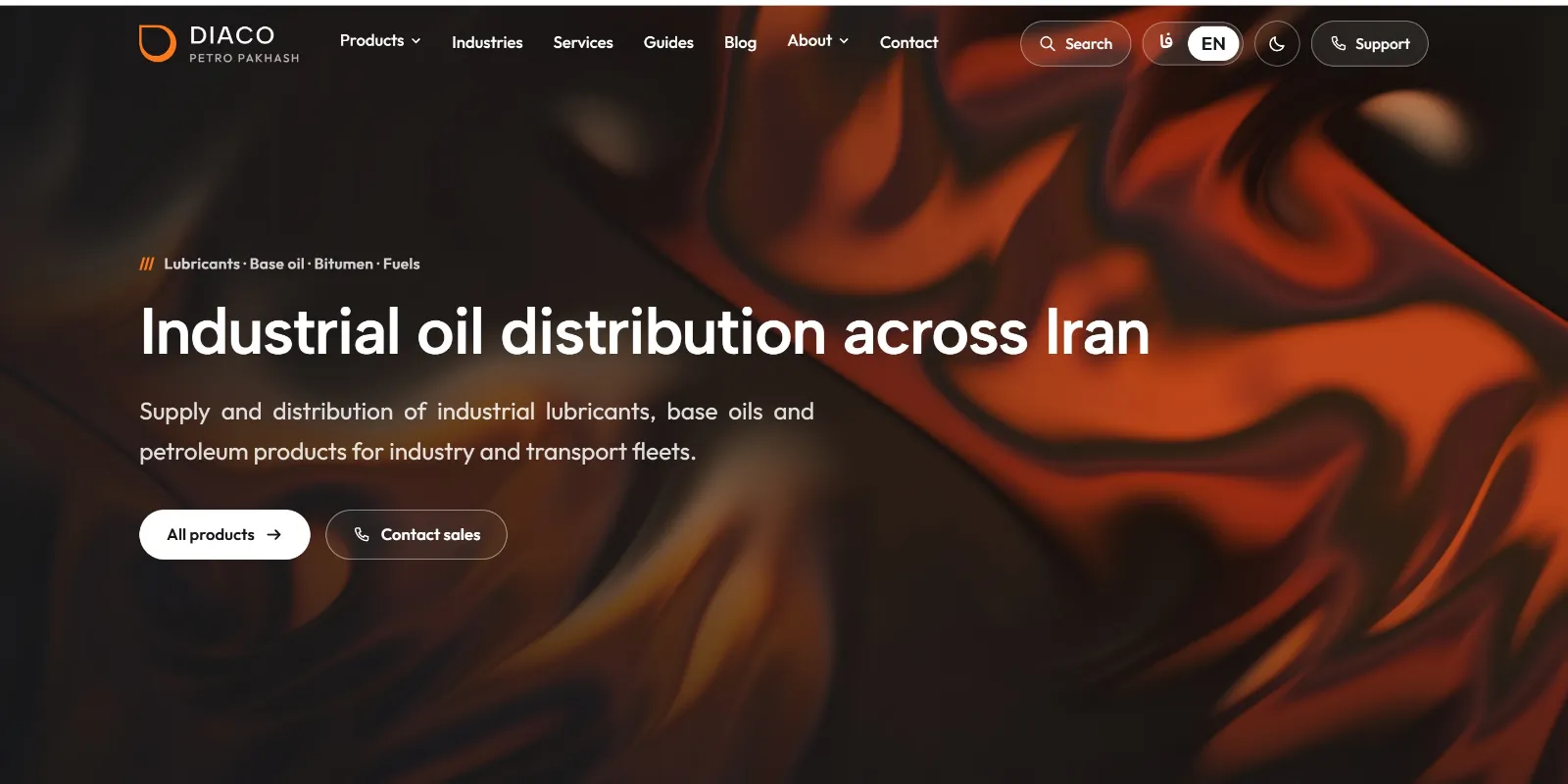
The home page opens on a slowly moving surface drawn in the browser with WebGL, lit to look like motor oil in the company's copper and graphite colours. Words in the headline ripple like liquid under the pointer and then settle. None of it is a video: it is a few kilobytes of code, and on a browser that cannot draw it the page simply shows its plain background.
Knowledge that brings people back
Six buying guides answer the questions buyers actually ask: what 5W-30 means, synthetic or mineral, when to change oil, which bitumen grade to choose. A FAQ and a blog of thirteen practical articles cover topics like gear oil classes and engine oil for CNG cars. Articles point to the part of the catalogue they discuss and to related articles, so a reader who arrives with a question can go straight to the products.
A company you can verify
The about page lists the company's legal name, registration number and national ID as published in the Official Gazette, and the same facts are in the structured data that describes the organisation to search engines, under both its Persian and its Latin name. The where-to-buy page states plainly what the company is: one office in Tehran, delivering to every province.
Lessons from the project
- Ask the question the buyer can answer. "What are you lubricating?" gets further than "which product do you want?".
- Respect how a trade writes. Grade codes in Latin digits on Persian pages look like a small thing, but they are what makes a page feel written for its readers.
- State only what can be checked. Official registration details tell people and search engines that the company is real.
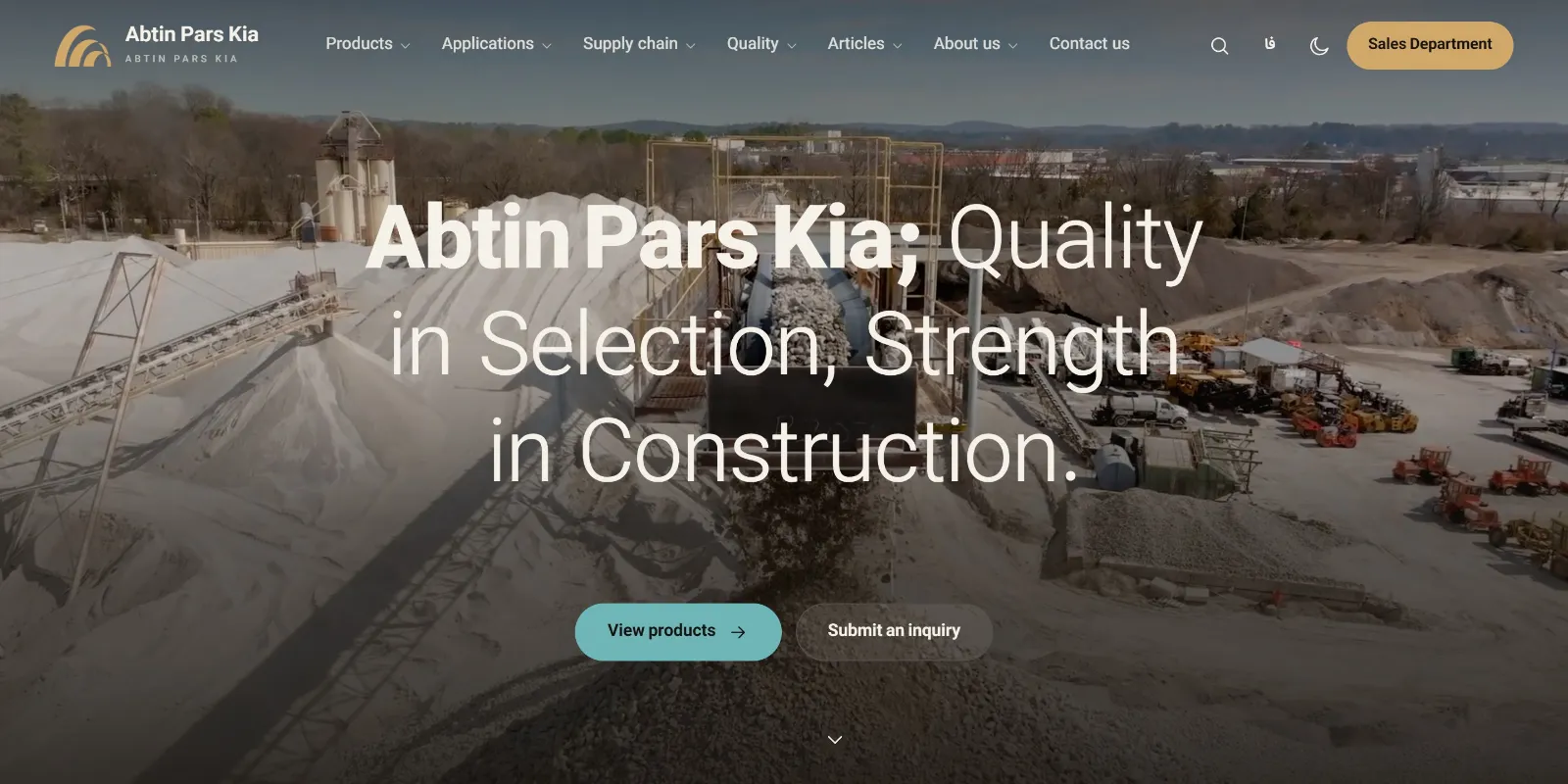
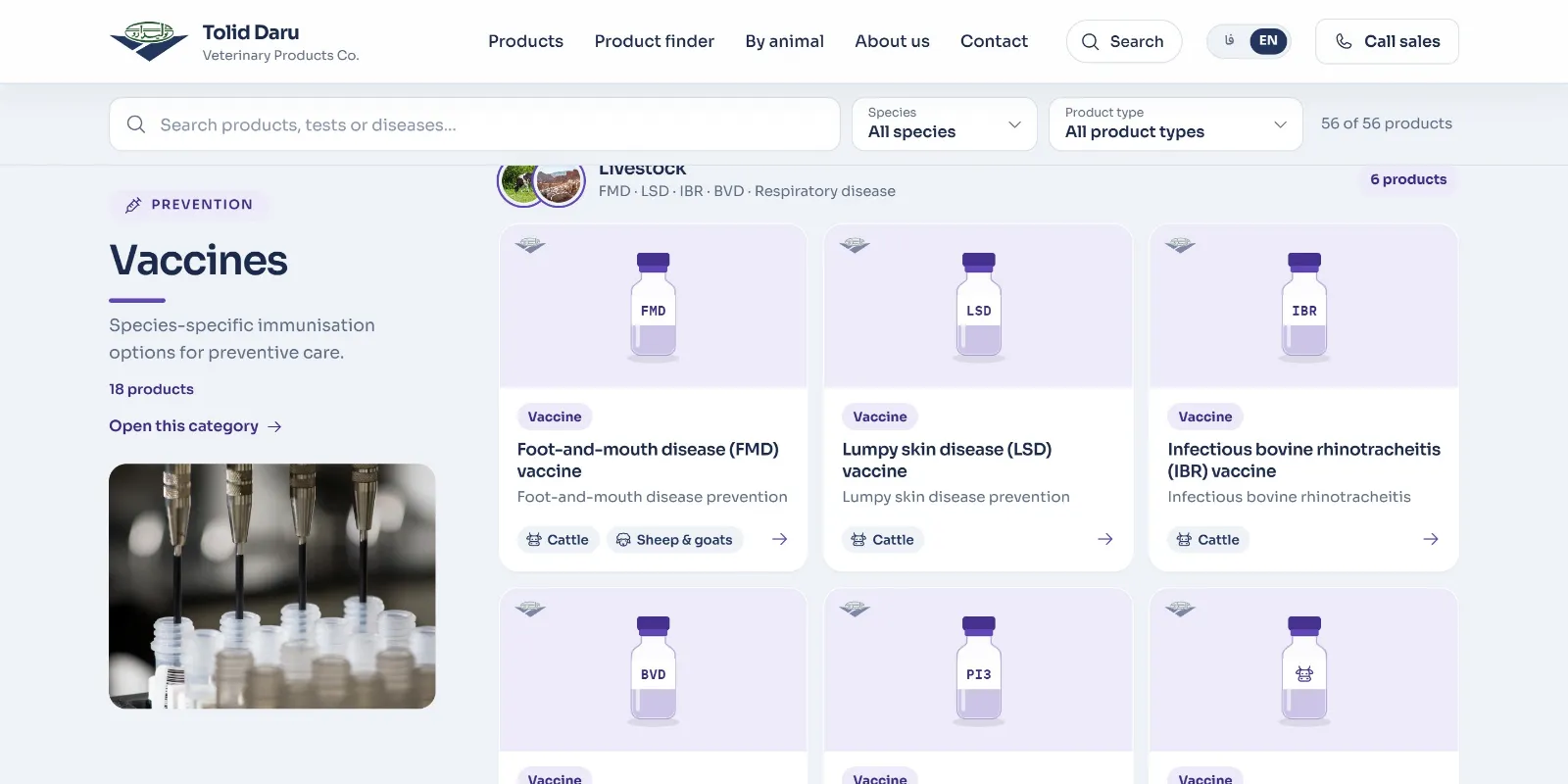
Our team has written more about building bilingual Persian–English websites and about SEO for a Persian website; for other catalogues, see our case studies for Abtin Pars Kia and Tolid Daru.
Contact us to discuss a website for your business.