Blog
Notes and perspectives from the Dalizhe team in Tehran on AI, robotics, computing infrastructure and web development.
- 4 min read
How to write a good prompt for an AI model
Most weak answers from a language model come from a prompt that left out what the model needed to know. What to put in a prompt, what to leave out, and how to test it.

- 4 min read
Persian speech to text: what works and what to watch for
Turning Persian meetings, interviews and calls into text has become practical. Where it still goes wrong, how to record for it, and what to decide before sending recordings anywhere.

- 4 min read
Persian OCR: turning scans and photos into usable text
Turning a scanned Persian letter or a photo of a form into text sounds solved, until you search the result. Where Persian OCR goes wrong and how to get text you can trust.

- 5 min read
AI, machine learning and deep learning: what is the difference?
Deep learning is a kind of machine learning, and machine learning is one way of building artificial intelligence. Knowing the difference helps you choose the right tool.

- 4 min read
What is an AI agent, and how is it different from a chatbot?
A chatbot answers; an agent acts. What that difference means in practice, where agents are useful, and the limits to set before one touches real systems.

- 4 min read
Industrial robots: what they are and the main types
An introduction to six-axis arms, SCARA, delta, gantry and collaborative robots, their applications and the components of a robot cell.
- 2 min read
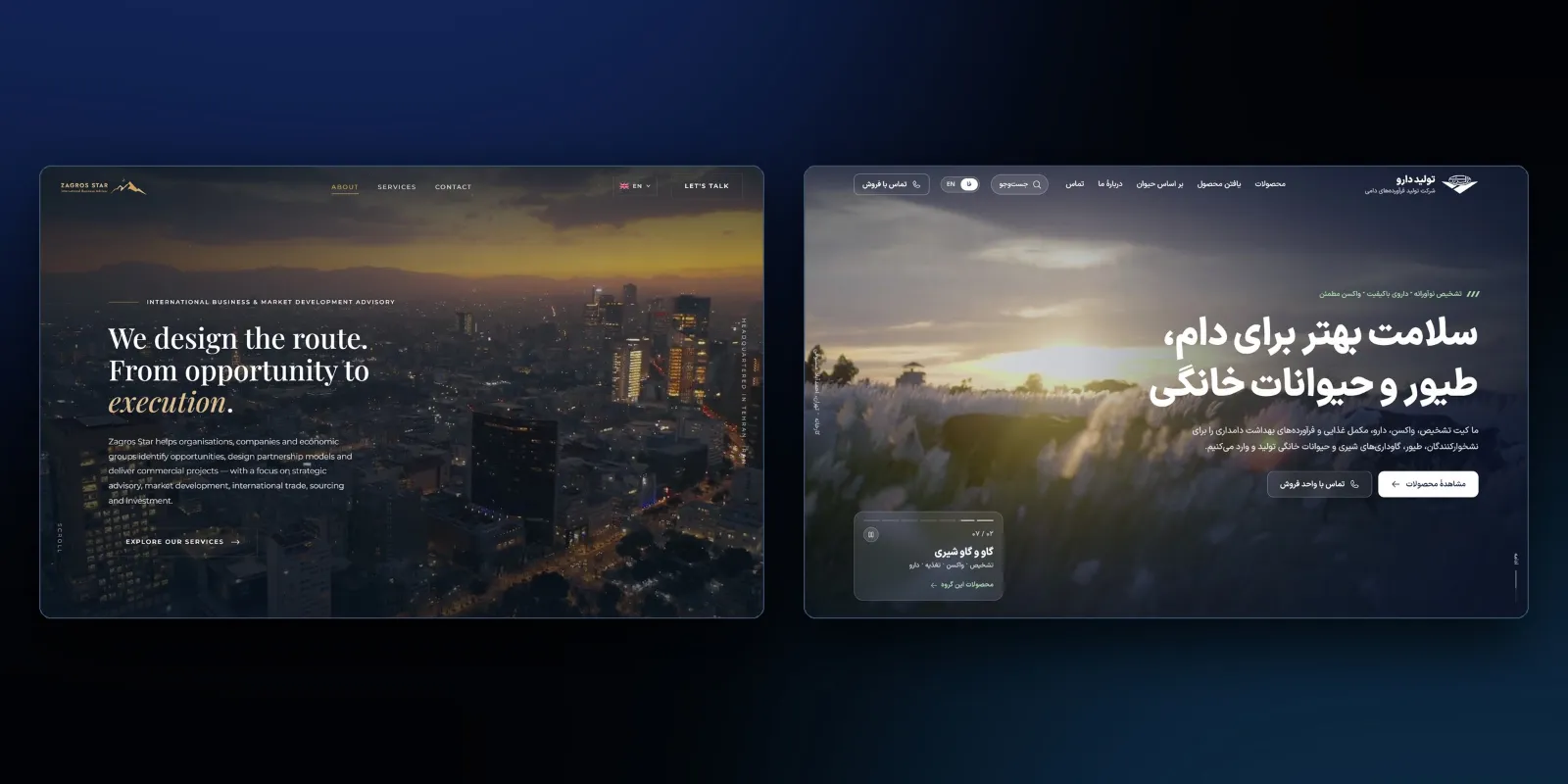
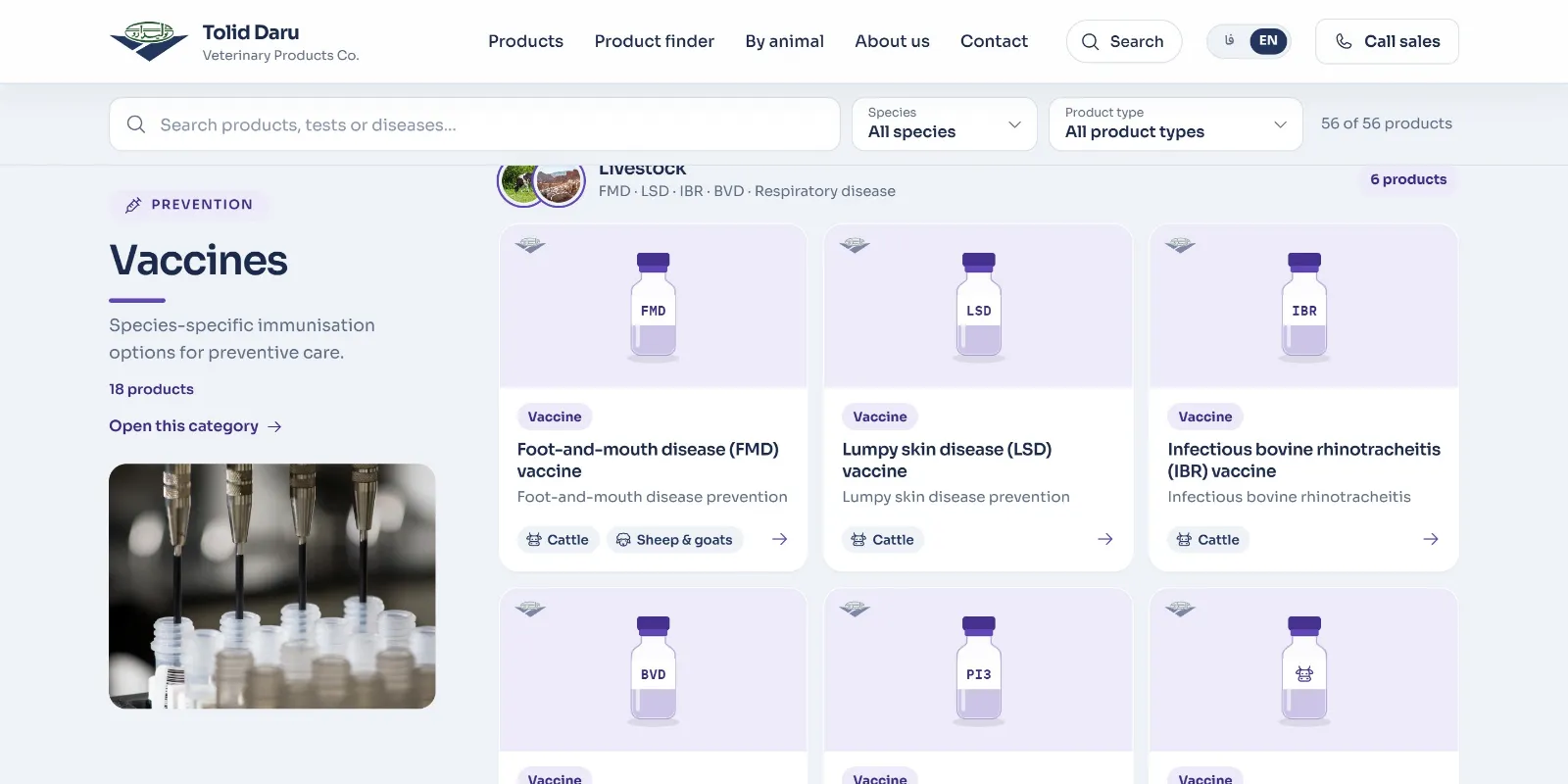
Case study: Tolid Daru’s bilingual veterinary product website
Dedicated product pages in two languages, search that accommodates typos and disease codes, and a catalogue designed for clear browsing.
- 4 min read
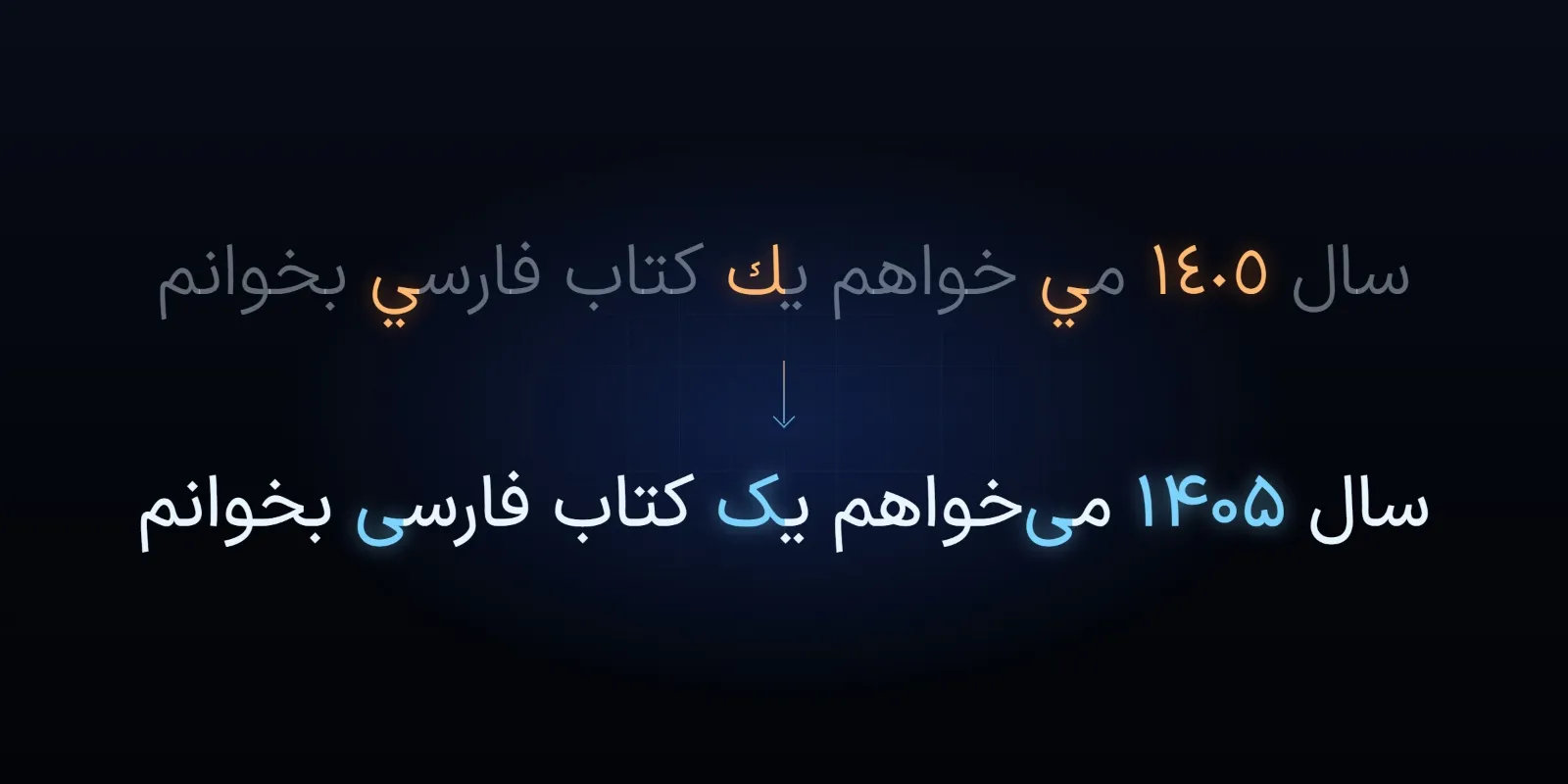
Processing Persian text with AI: preparing the data before the model
Character variants, spacing and mixed digit forms can affect Persian search and text processing. Normalisation is an important step in preparing the data.
- 4 min read
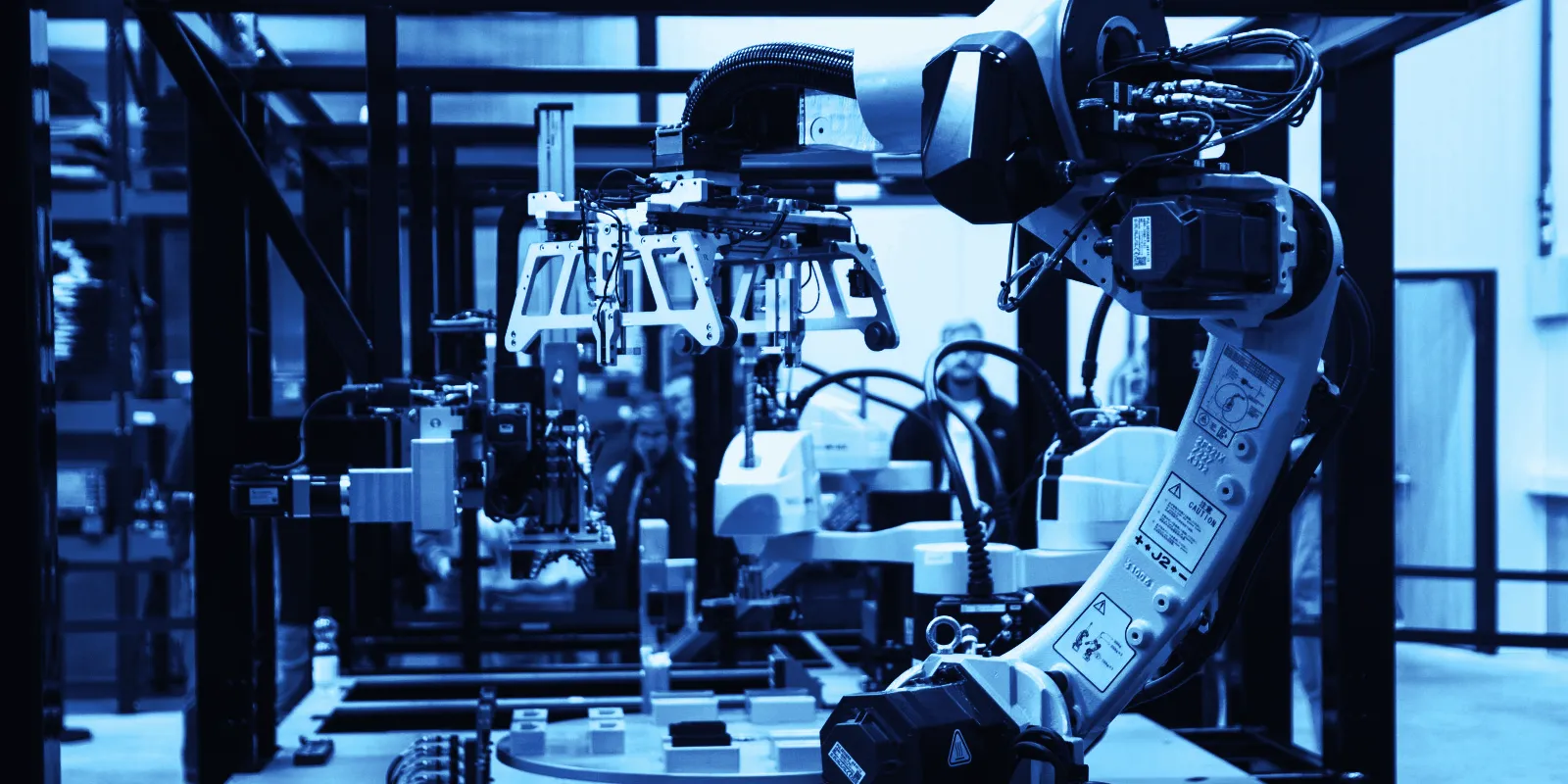
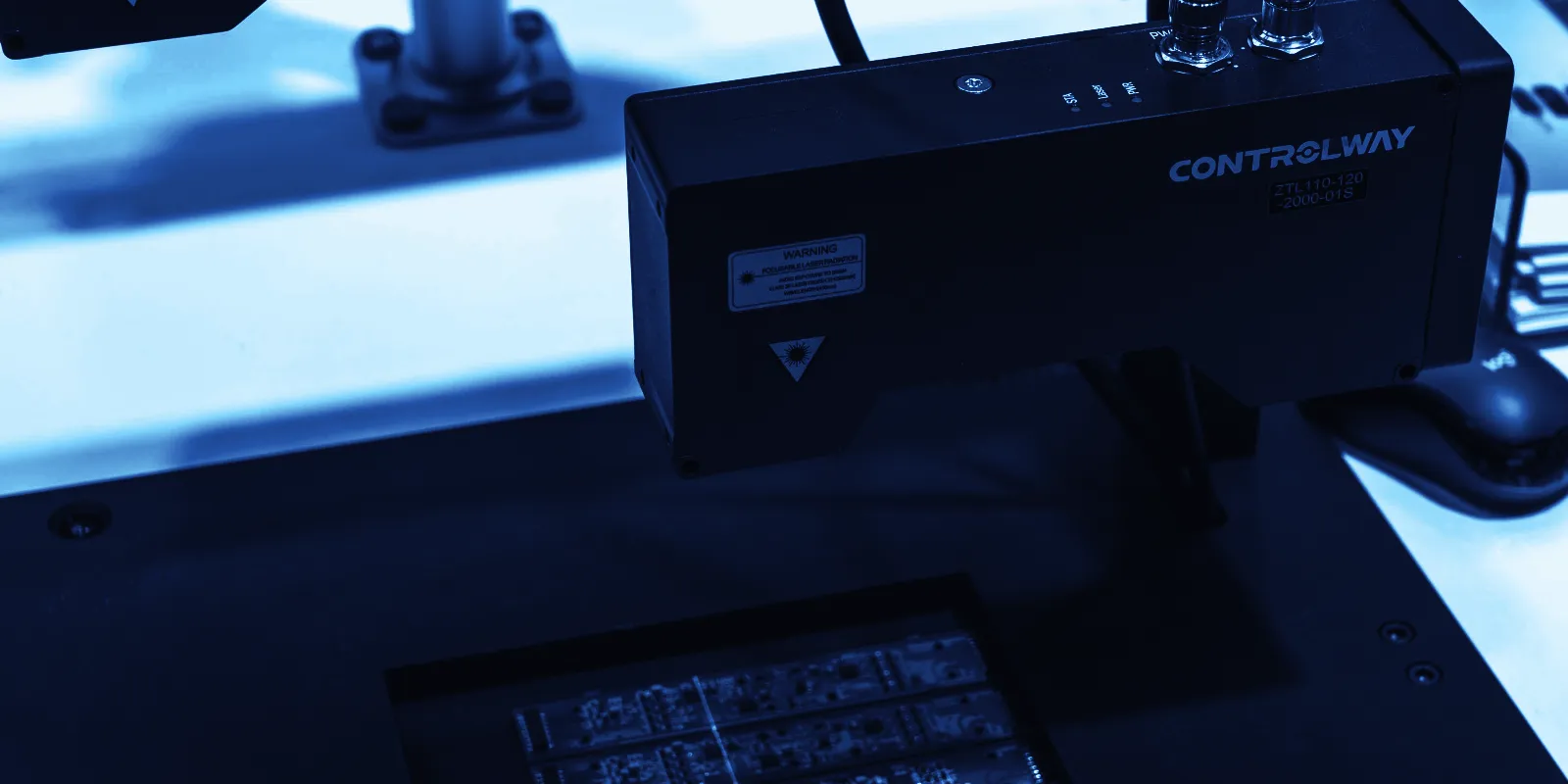
Machine vision for quality control: requirements for effective implementation
Lighting, representative defect images and measured error rates play a central role in visual inspection performance.
- 4 min read
Building a company chatbot: where to start
A company chatbot should use the organisation’s own sources, operate within defined boundaries and be evaluated on real user questions.

- 4 min read
What is a large language model, and what are its limitations?
An introduction to tokens, training and response generation, and why fluent, confident answers still need evaluation.

- 5 min read
SEO for Persian websites: Dalizhe’s technical checklist
Technical considerations for Persian websites, covering crawl access, page structure, language versions, fonts and hosting.

- 5 min read
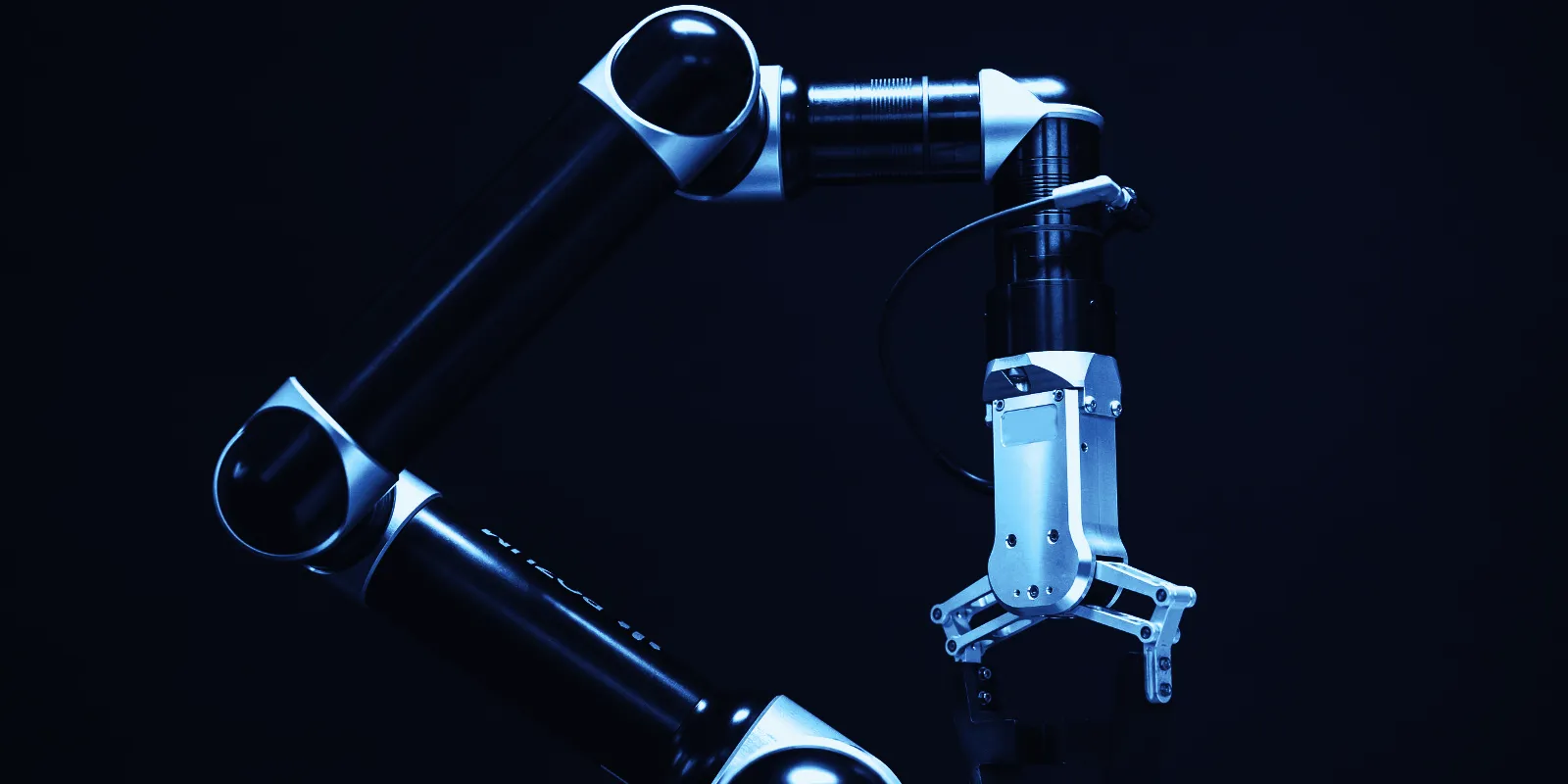
How a robot arm tracks a moving target
Inverse kinematics, motion planning and target tracking, illustrated by the interactive six-axis arm on Dalizhe’s homepage.
- 5 min read
Fine-tuning or RAG? Bringing organisational knowledge into language-model applications
The uses and limitations of retrieval and fine-tuning, and when combining them can be useful.

- 3 min read
Edge AI: considerations when moving models beyond the data centre
Running a model on a device, robot or local server requires attention to latency, memory, energy use and connectivity.

- 5 min read
Our approach to building Persian–English websites
Design and development considerations for users and search engines in both languages, illustrated through Tolid Daru and Zagros Star.